Smoke point of cooking oils
Two published smoke-point charts, ThermoWorks and Jessica Gavin, side by side. Each bar runs from the lowest to the highest figure either chart prints for that oil, so you see how far the sources disagree instead of one tidy number.
Kitchen gear on Amazon
SponsoredAs an Amazon Associate, KitchenProds earns from qualifying purchases. See our affiliate disclosure.
Oil Sprayer for Cooking- 200ml Glass Olive Oil Sprayer Mister, Olive Oil Spray Bottle, Kitchen Gadgets Accessories for Air Fryer, Canola Oil Spritzer, Widely Used for Salad Making, Baking, Frying,BBQ4
$6.39$5.50
View on Amazon (Oil Sprayer for Cooking- 200ml Glass Olive Oil Sprayer Mister, Olive Oil Spray Bottle, Kitchen Gadgets Accessories for Air Fryer, Canola Oil Spritzer, Widely Used for Salad Making, Baking, Frying,BBQ4)Lodge Pre-Seasoned Cast Iron Skillet with Silicone Handle Holder, 12 Inches | Non-Toxic & Naturally Non-Stick Frying Pan with Silicone Hot Handle Holder, Pan is Safe for Oven & Stovetop Use
$34.90
View on Amazon (Lodge Pre-Seasoned Cast Iron Skillet with Silicone Handle Holder, 12 Inches | Non-Toxic & Naturally Non-Stick Frying Pan with Silicone Hot Handle Holder, Pan is Safe for Oven & Stovetop Use)FineDine 16 oz Glass Olive Oil Sprayer for Cooking, Oil Dispenser, Black | Glass 2-in-1 olive oil dispenser bottle, oil dispenser for kitchen, oil spray bottle, mist or stream, anti-drip spout, salads
$6.99$5.99
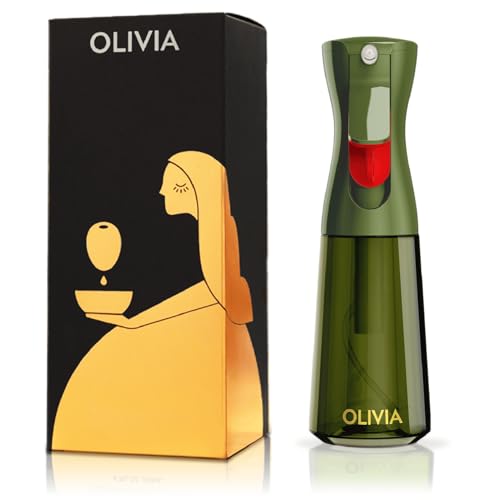
View on Amazon (FineDine 16 oz Glass Olive Oil Sprayer for Cooking, Oil Dispenser, Black | Glass 2-in-1 olive oil dispenser bottle, oil dispenser for kitchen, oil spray bottle, mist or stream, anti-drip spout, salads)FLAIROSOL OLIVIA SIGNATURE Oil Sprayer for Cooking, 200ml Glass, Green/Gold | Portion control mist for air fryer, salad, BBQ, refillable & reusable, fine mist olive oil kitchen sprayer, anti-drip
$29.99$26.98
View on Amazon (FLAIROSOL OLIVIA SIGNATURE Oil Sprayer for Cooking, 200ml Glass, Green/Gold | Portion control mist for air fryer, salad, BBQ, refillable & reusable, fine mist olive oil kitchen sprayer, anti-drip)Mik-Nana Food Scale, 10kg/22lb Digital Kitchen Scale Weight Grams and Ounces for Baking Cooking Coffee Package Postage, 6 Units with Tare Function, LCD Display, Easy Clean Stainless Steel
$9.98$8.06
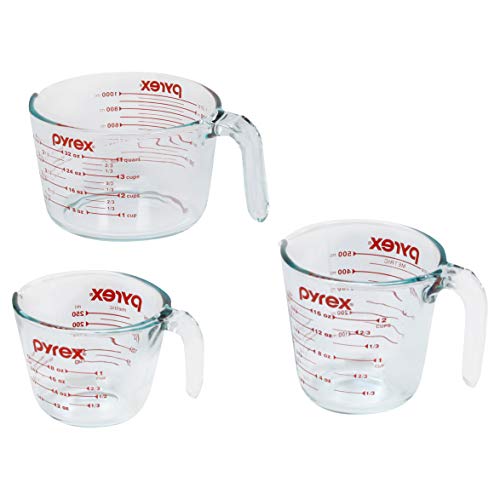
View on Amazon (Mik-Nana Food Scale, 10kg/22lb Digital Kitchen Scale Weight Grams and Ounces for Baking Cooking Coffee Package Postage, 6 Units with Tare Function, LCD Display, Easy Clean Stainless Steel)Pyrex Essentials (3-Pack) Glass Measuring Cups Set (1, 2 & 4 Cup) | For prepping, baking and cooking, preheated oven, dishwasher, freezer, and microwave safe
$25.99$19.99
View on Amazon (Pyrex Essentials (3-Pack) Glass Measuring Cups Set (1, 2 & 4 Cup) | For prepping, baking and cooking, preheated oven, dishwasher, freezer, and microwave safe)TrendPlain 16oz Olive Oil Sprayer for Cooking, Silicone Pad, Black | Olive Oil Dispenser Bottle, Oil Dispenser For Kitchen Appliances, Home And Kitchen Essentials, Dual Spray And Pour
$8.99
View on Amazon (TrendPlain 16oz Olive Oil Sprayer for Cooking, Silicone Pad, Black | Olive Oil Dispenser Bottle, Oil Dispenser For Kitchen Appliances, Home And Kitchen Essentials, Dual Spray And Pour)Etekcity Food Kitchen Scale, Digital Grams and Ounces, 11lb | Tare function, ideal for baking, weight loss, keto, meal prep, packages, liquids and jewelry, 304 Stainless Steel
$13.99
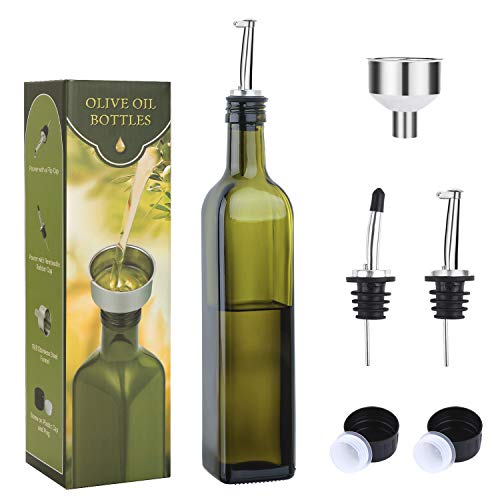
View on Amazon (Etekcity Food Kitchen Scale, Digital Grams and Ounces, 11lb | Tare function, ideal for baking, weight loss, keto, meal prep, packages, liquids and jewelry, 304 Stainless Steel)AOZITA 17oz Glass Olive Oil Bottle Dispenser - 500ml Green Oil and Vinegar Cruet with Pourers and Funnel - Olive Oil Carafe Decanter for Kitchen
$9.99$8.99
View on Amazon (AOZITA 17oz Glass Olive Oil Bottle Dispenser - 500ml Green Oil and Vinegar Cruet with Pourers and Funnel - Olive Oil Carafe Decanter for Kitchen)Poshetion 2 in 1 Olive Oil Sprayer for Cooking, 16oz Light-Proof Oil Dispenser for Kitchen, Leak-Proof Oil Spray Bottle for Air Fryer, Salad, BBQ, Baking, Grilling - Black & Green
$11.99
View on Amazon (Poshetion 2 in 1 Olive Oil Sprayer for Cooking, 16oz Light-Proof Oil Dispenser for Kitchen, Leak-Proof Oil Spray Bottle for Air Fryer, Salad, BBQ, Baking, Grilling - Black & Green)






Prices and availability were accurate when retrieved from Amazon and may change. Retrieved Nov 15, 2026.
Quick answer
Refined avocado oil, safflower and soybean oil sit highest, around 450 to 570 °F; extra-virgin olive oil, coconut oil, sesame oil and butter start lower, between about 300 and 410 °F. Treat every figure as a range, not a threshold.
Smoke point range by oil
- Avocado oil520–570 °F
- Safflower oil450–510 °F
- Soybean oil450–495 °F
- Clarified butter (ghee)450–482 °F
- Beef tallow400–480 °F
- Light (refined) olive oil425–465 °F
- Canola oil400–450 °F
- Corn oil410–450 °F
- Peanut oil440–450 °F
- Sunflower oil410–440 °F
- Grapeseed oil390–421 °F
- Extra-virgin olive oil325–410 °F
- Sesame oil350–410 °F
- Coconut oil350–385 °F
- Lard370–374 °F
- Butter300–350 °F
Bars span the lowest to highest value printed by the two sources. Longer bars mean the sources disagree more.
Smoke point table
Sorted by the top of the range. The source columns show what each chart prints.
| Oil or fat | Refined? | Range | Celsius | ThermoWorks | Jessica Gavin |
|---|---|---|---|---|---|
| Avocado oil | refined | 520–570 °F | 271–299 °C | 520 °F | 520–570 °F |
| Safflower oil | not stated | 450–510 °F | 232–266 °C | 450 °F | 510 °F |
| Soybean oil | not stated | 450–495 °F | 232–257 °C | 450 °F | 450–495 °F |
| Clarified butter (ghee) | not stated | 450–482 °F | 232–250 °C | 482 °F | 450 °F |
| Beef tallow | not stated | 400–480 °F | 204–249 °C | 480 °F | 400 °F |
| Light (refined) olive oil | refined | 425–465 °F | 218–241 °C | 450 °F | 425–465 °F |
| Canola oil | not stated | 400–450 °F | 204–232 °C | 435 °F | 400–450 °F |
| Corn oil | not stated | 410–450 °F | 210–232 °C | 410 °F | 410–450 °F |
| Peanut oil | refined | 440–450 °F | 227–232 °C | 450 °F | 440–450 °F |
| Sunflower oil | not stated | 410–440 °F | 210–227 °C | 410 °F | 440 °F |
| Grapeseed oil | not stated | 390–421 °F | 199–216 °C | 421 °F | 390 °F |
| Extra-virgin olive oil | unrefined | 325–410 °F | 163–210 °C | 374 °F | 325–410 °F |
| Sesame oil | unrefined (ThermoWorks) | 350–410 °F | 177–210 °C | 350 °F | 350–410 °F |
| Coconut oil | unrefined (ThermoWorks) | 350–385 °F | 177–196 °C | 350 °F | 350–385 °F |
| Lard | not stated | 370–374 °F | 188–190 °C | 374 °F | 370 °F |
| Butter | not stated | 300–350 °F | 149–177 °C | 302 °F | 300–350 °F |
How the ranges were made
A smoke point is the temperature at which an oil begins to give off a steady stream of smoke. Published values differ for the same oil because refining, free fatty acid content and the test method all move the figure.
To keep the page honest, only oils that both charts list are shown, and each row is the span between the two charts' figures. Oils that only one chart lists (flaxseed, hemp, rice bran, cottonseed, duck fat, palm oil, shortening, margarine) are left out rather than given a single unconfirmed number. Neither chart names a lab or a test method, so these are published figures, not measurements.
Where a source says whether the oil is refined or unrefined, the table says so. ThermoWorks labels its coconut and sesame figures unrefined and its peanut and avocado figures refined; Jessica Gavin labels extra-virgin olive oil unrefined and light olive and avocado oil refined. Everything else is marked as not stated.
Using this for seasoning cast iron and carbon steel
Seasoning bakes a thin layer of oil onto the pan in a hot oven, so the oven temperature is usually higher than a skillet's cooking temperature. Compare the range here with the temperature your method uses, and read the full method in our guides on seasoning a cast iron skillet and a carbon steel pan.
Last checked November 15, 2026. Every value is logged with its URL in content/data/sources.json. Neither source gives a method or lab; the ranges are published figures, not measurements.
Frequently asked questions
Which cooking oil has the highest smoke point?
On these two charts refined avocado oil, with a range of 520 to 570 °F, followed by safflower, soybean and refined olive oils. The top of the list is similar in both sources, but the exact figures are not.
Is extra-virgin olive oil safe for frying?
Its range here is 325 to 410 °F, which covers pan-frying and roasting at ordinary temperatures. Deep frying is usually done above that, so check the temperature on a thermometer.
What happens when oil goes past its smoke point?
It gives off smoke and starts to break down, and the smell and taste turn acrid. Turn the heat down, ventilate the kitchen and do not leave the pan unattended.
This article reflects independent editorial research and disclosed buying criteria. KitchenProds does not sell, fulfil, warrant, or service any product. This is not a substitute for the manufacturer's manual or a qualified professional. Some links on this page are Amazon Services LLC Associates Program affiliate links; see our affiliate disclosure for details.