What a Multicooker Is
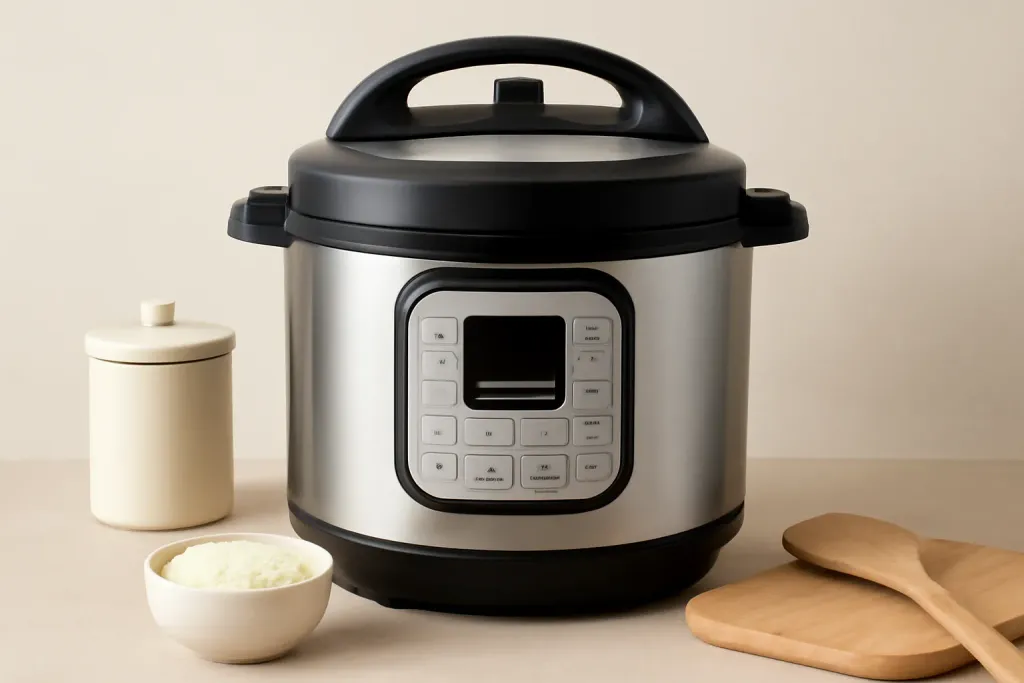
If you are looking for multicooker functions explained, start with the basic idea: a multicooker is a countertop appliance designed to combine several cooking methods in one pot. Most models include a heated inner pot, a lid, and a control panel with presets or manual settings. Instead of moving food from one pan to another, you can often cook, brown, simmer, steam, or pressure cook in the same vessel.
That flexibility is the main appeal. A multicooker can simplify weeknight cooking, reduce the number of dishes used, and make it easier to follow one-pot recipes. Still, the exact menu varies by brand. Some machines focus on core functions, while others add specialty programs such as rice, yogurt, or delayed start. The button names may look familiar, but the way each mode behaves can differ from model to model.
Because labels are not standardized, reading the manual matters. A “manual” setting on one appliance may function much like “pressure cook” on another. A “soup” preset may simply be a longer simmer cycle. Understanding the purpose behind each mode is more useful than counting how many buttons a panel has.
Pressure Cooking Basics
Pressure cooking is the feature many people notice first, and it is central to multicooker functions explained. During a pressure-cook cycle, the lid seals in steam, which raises the pressure inside the pot and helps food cook faster than it would on a stovetop at a gentle simmer. This is why multicookers are often used for beans, tougher cuts of meat, soups, and grains that benefit from enclosed heat.
Many models let you set time, and some offer low and high pressure. Low pressure is sometimes used for more delicate foods, while high pressure is common for denser ingredients. Even so, the final result depends on the recipe, the amount of liquid, and how full the pot is. Pressure cooking is not an automatic shortcut to every meal; it still requires enough liquid to create steam and enough headspace for the appliance to work as intended.
This is also the function that calls for the most careful reading of the manufacturer’s instructions. The sealing ring should be installed correctly, the lid must be locked, and the release mechanism has to be set as directed before the cycle starts. Never force the lid open, and never ignore the manual’s release guidance.
Slow Cook and Simmer Modes
Slow cook mode is familiar to anyone who likes to plan ahead. On many multicookers, it keeps food at a lower, gentler heat for a longer period of time. That makes it useful for stews, braises, shredded meat, and bean dishes that develop flavor gradually. If you are learning multicooker functions explained, slow cook is one of the clearest examples of a setting that behaves more like a traditional slow cooker than a fast cooker.
Some appliances also include a simmer mode or a low-heat setting that sits near simmering temperature. This can be helpful when you want steady bubbling without a full boil. Depending on the model, simmer may be a manual heat level, a preset program, or a holding function after cooking ends. The label alone does not always tell you which one it is.
Slow cooking generally works best when the lid stays closed. Opening the lid repeatedly can extend the cooking time and reduce moisture retention. That is why this mode is usually better for recipes that do not require frequent stirring. If a recipe needs more attention at the beginning, sauté or brown may be the better starting point, with slow cook used later.
Sauté and Brown Functions
Sauté mode is one of the most practical functions on a multicooker because it lets you cook directly in the inner pot before switching to another setting. It is commonly used for onions, garlic, spices, and other aromatics, and it can also help soften vegetables or reduce a sauce. In everyday use, sauté is often the step that adds flavor before pressure cooking or slow cooking begins.
Some brands use the word “brown” instead of or alongside sauté. The purpose is similar: apply direct heat to the bottom of the pot so ingredients can take on color. However, the result is usually more limited than what you would get from a dedicated skillet on a stovetop. The heating surface, pot material, and temperature range all affect how much browning is possible, so it helps to think of this as a convenience feature rather than a full replacement for a frying pan.
Because sauté mode uses the pot without pressure, it is also a practical way to cook off excess moisture before moving to another program. Follow the manual for any guidance about nonstick coatings, utensil type, and preheating time. Using the pot within its intended limits is more important than trying to push it beyond the design.
Steam, Rice, and Grain Programs
Rice presets are among the most common multicooker functions because many shoppers want an easy way to cook rice with minimal supervision. These programs are designed to manage heat and timing for white rice, brown rice, or mixed grains, depending on the model. Some are automatic, while others are tied to a specific grain type or water ratio. This is another place where multicooker functions explained can prevent confusion, because the button name does not always reveal the exact behavior.
Steam mode is related but not the same as rice mode. Steaming usually places food above the water level on a tray or basket while steam rises around it. That makes it useful for vegetables, dumplings, fish, or other foods that you want to cook gently without submerging them in liquid. The accessory setup matters, so it is worth checking what comes with the appliance.
Grain presets may cover quinoa, oats, barley, or other whole grains, but they are not interchangeable on every machine. A preset can be helpful because grains vary in absorption and timing, yet the best results still depend on portion size and the specific recipe. When in doubt, rely on the instruction manual’s grain chart rather than assuming one button covers everything.
Browse our recommended products
Our featured picks refresh periodically. While we update them, our editorial guides can help you find the right pick.
See our guidesKeep Warm and Delay Start
Keep warm is a convenience feature, but it should not be mistaken for active cooking. After a program finishes, the appliance may switch to a lower holding temperature so food stays ready for serving. That can be useful for family schedules or staggered mealtimes. Even so, keep warm is best treated as a short-term holding function, not a cooking step.
Delay start is different. It lets you set a future start time so the appliance begins later. This can help if you want rice or a stew to finish closer to dinner. But it should be used only with recipes that are suitable for waiting before cooking begins. Not every ingredient or dish is a good candidate, and the manual may set limits on what can be delayed.
These two settings solve different problems: keep warm acts after cooking, while delay start acts before it starts. Knowing that distinction is part of understanding multicooker functions explained in a practical kitchen context. Someone who values meal timing may find these tools especially useful, while another cook may care more about sauté, pressure, and rice programs.
Yogurt and Other Specialty Modes
Some multicookers include specialty programs such as yogurt, cake, egg, soup, or sous vide-style temperature holding. These options are not universal, and the names can be misleading if you read them too quickly. A yogurt function is usually meant to maintain a warm, controlled environment for incubation, but the exact temperature behavior depends on the appliance. A cake setting may be a gentler baking profile rather than a true oven substitute.
Specialty modes can be convenient if they match the foods you make often, but they are usually the least standardized functions on the panel. One brand’s yogurt mode may behave very differently from another’s, and a soup setting may simply be a longer simmer program with preset timing. For that reason, it is better to think of specialty modes as recipe aids rather than universal kitchen rules.
When reading product descriptions, stay conservative. A specialty mode may expand what a multicooker can do, but it does not guarantee that every recipe will work perfectly on the first try. If one of these features matters to you, look for manuals that explain time, temperature range, and intended food type instead of relying on the button name alone.
How to Choose the Right Mode
Once the basic options are clear, the easiest way to use a multicooker well is to match the function to the goal of the recipe. If speed and tenderizing matter most, pressure cooking is often the best fit. If you want longer cooking with gentle heat, slow cook may be more appropriate. If the recipe needs flavor-building first, start with sauté or brown. If you want a simple side dish, rice or grain presets may be the most convenient place to begin.
The most advanced function is not always the best choice. A straightforward soup may not need pressure cooking if time is not a concern. Vegetables may be better steamed than pressure cooked. A sauce may benefit from sautéing first and then simmering with the lid vented or removed, depending on the recipe and the model’s instructions. Thinking in terms of the food’s needs helps the appliance work with you instead of forcing every dish into the same setting.
It also helps to keep the learning curve modest. Start with recipes written for multicookers, then adjust one variable at a time. That makes it easier to understand how your appliance behaves and which functions you actually use. For many households, the value of a multicooker is not that it does everything, but that it handles a few reliable jobs well.
Safety and Care Basics
Any guide to multicooker functions explained should include careful notes on use and care. Always follow the instruction manual for fill levels, lid alignment, pressure release, and the correct use of pressure-based functions. Different models have different limits, and those limits matter. When a recipe says not to overfill, treat that as a requirement, not a suggestion.
Routine care matters too. Clean the sealing ring as directed, keep the lid parts free of residue, and make sure the inner pot and exterior surfaces are dry before use. If the appliance includes a condensation collector or steam vent, empty and clean those parts regularly according to the manual. Avoid disassembling the appliance or attempting electrical repairs; those tasks belong to qualified service professionals.
Finally, be realistic about what the multicooker is and is not. It is a useful countertop tool, but it does not replace careful judgment. Read the preset descriptions, understand whether a mode is cooking, holding, or scheduling, and use the appliance thoughtfully. That is the most practical approach for long-term use.